
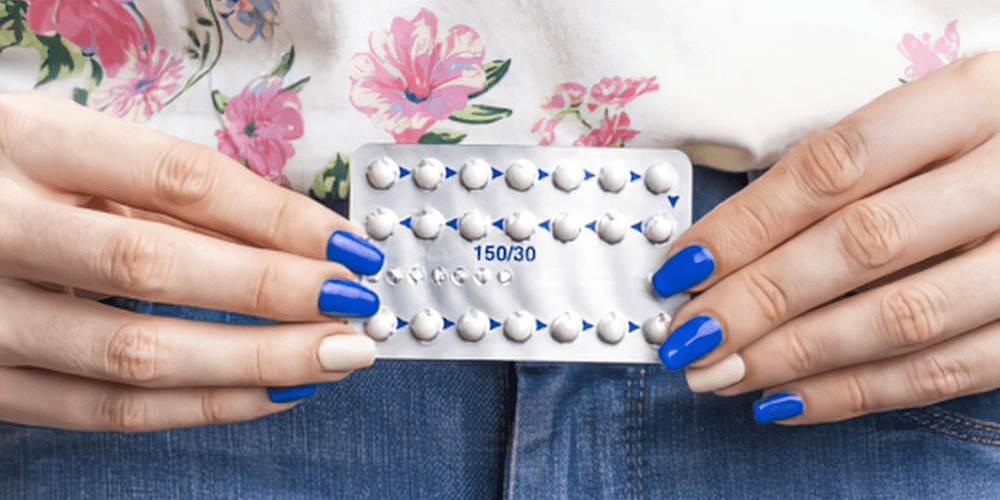
If you’ve recently started coming off birth control, you might have expected to feel better, clearer skin, more energy, a natural rhythm returning to your body. But instead, you may be experiencing the opposite:
- breakouts
- anxiety
- fatigue
- irregular cycles
- or even no period at all
And if that’s you, I want you to hear this first, you are not broken.
At Hope Natural Health, we see this all the time. The reality is that coming off birth control is not just a “stop and go back to normal” process. It’s a hormonal recalibration that takes time, support, and understanding.
Let’s walk through it together.
Step 1: Understand What Birth Control Was Doing in Your Body
When you were on hormonal birth control, your body wasn’t cycling naturally. Instead, the pill was:
- Suppressing ovulation
- Shutting down natural hormone communication
- Creating a controlled hormonal environment
This means that while symptoms like acne or painful periods may have seemed “better,” they were often being masked not truly resolved.
So when you begin coming off birth control, your body is no longer being externally controlled. It has to restart its own hormonal system from scratch.
Empty heading
Step 2: Expect a Hormonal Reboot Phase (Not Instant Balance)
One of the biggest misconceptions about coming off birth control is that your cycle will instantly return to normal.
In reality, your body must restart communication between your brain and ovaries. This includes:
- Restarting hormone signaling
- Rebuilding ovulation patterns
- Re-establishing cycle rhythm
Think of it like your internal WiFi reconnecting after being offline for a long time, it doesn’t always reconnect instantly or smoothly.
During this phase, symptoms like mood swings, acne, or fatigue are common. Not because something is wrong but because your body is rebooting.
Empty heading
Step 3: Ovulation May Be Delayed (and Why It Matters)
Ovulation is more than just fertility, it’s a key part of hormone health.
When you’re coming off birth control, ovulation may not return immediately. And when ovulation is delayed, progesterone production is also delayed.
Progesterone is essential for:
- Stable mood
- Deep sleep
- Calming anxiety
- Balanced cycles
Without consistent ovulation, you may notice:
- Anxiety spikes
- Poor sleep
- Irregular or missing periods
This is one of the most misunderstood parts of post-pill recovery.
Empty heading
Step 4: Nutrient Depletion Can Affect Recovery
Research has shown that birth control may lower key nutrients over time, including:
These nutrients are essential for:
- Energy production
- Mood regulation
- Hormone metabolism
- Stress resilience
So when you begin coming off birth control, your body isn’t just restarting hormones, it may also be rebuilding nutritional reserves at the same time.
This can amplify fatigue, irritability, or brain fog.
Empty heading
Step 5: Underlying Imbalances Become More Visible
Birth control often masks underlying issues such as:
- Blood sugar instability
- High stress and cortisol patterns
- Gut health imbalances
- Detox pathway overload
Once you stop the pill and start coming off birth control, these patterns may become more noticeable.
This is actually a good thing even if it feels uncomfortable because your body is finally communicating more honestly.
Step 6: Support Your Body Through the Transition
Instead of trying to “fix” everything quickly, focus on foundational support:
1. Stabilize Blood Sugar
Eat regular meals with protein, healthy fats, and fiber to reduce hormonal stress.
2. Support Stress Response
Chronic stress can delay cycle recovery. Gentle nervous system support matters.
3. Rebuild Nutrient Stores
Consider magnesium, zinc, and B-complex support (ideally guided).
4. Prioritize Sleep
Your hormones repair and reset during deep sleep cycles.
5. Be Patient With Your Cycle
Most women need a few months to regulate after coming off birth control.
Tips & Common Mistakes to Avoid
Mistake 1: Assuming something is “wrong” immediately
Your body is adjusting, not failing.
Mistake 2: Going back on the pill too quickly
This can pause the natural recalibration process before your body has time to adjust.
Mistake 3: Ignoring nutrition
Hormone recovery requires fuel especially protein and micronutrients.
Tip: Track your cycle gently
Even if irregular, tracking symptoms helps you understand your patterns after coming off birth control.
Tip: Don’t compare your timeline
Every body responds differently. Some recover in months, others take longer.
Your Body Isn’t Broken, It’s Rebuilding
If there’s one thing to take away from this, it’s this:
Coming off birth control is not a return to “broken.” It’s a return to communication.
Your body is not failing, it’s recalibrating, rebalancing, and relearning its natural rhythm. That process can feel uncomfortable, but it is also deeply meaningful. When you understand what’s happening beneath the surface, you can stop fighting your symptoms and start supporting your body in a way that actually works.
You deserve to feel connected to your cycle again, not confused by it.
Ready to go deeper?
If this episode resonated with you and you want the full conversation and deeper guidance:
 Listen to the full episode podcast
And if you’re ready for structured support in your hormone healing journey:
At Hope Natural Health, we help women understand what’s really happening in their bodies after coming off birth control, so they can finally feel balanced, clear, and in control again.

Dr. Erin Ellis, ND
Dr. Erin Ellis, ND, is the founder of Hope Natural Health and a licensed Naturopathic Doctor with more than nine years of clinical experience specializing in women's hormone health. After overcoming cancer, Dr. Ellis made it her life's mission to help women find the root cause of why they don't feel like themselves. She believes "normal" lab results are only the beginning of the conversation - not the end - and is known for taking a deeper, investigative approach to hormone, thyroid, gut, and metabolic health.