
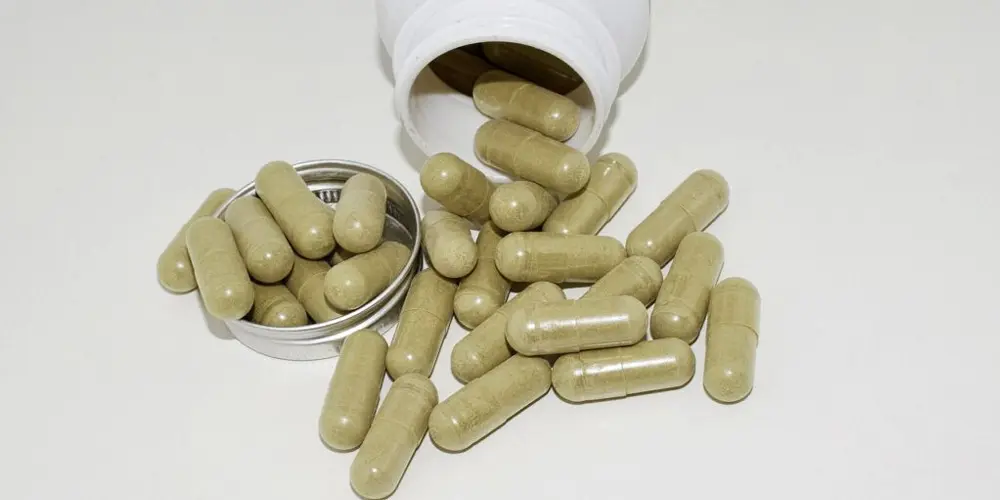
Adding more zinc to your diet with the right food or supplements can have a number of beneficial effects on your health. Zinc is necessary for the activity of more than 300 enzymes which aid in metabolism, nerve function, digestion, and other processes. It’s also crucial for immune function, skin health, and DNA synthesis.
Because the body does not store zinc efficiently, it’s important to regularly get enough through food or supplementation. Low zinc levels are more common than many people realize and can contribute to a wide range of symptoms including fatigue, poor immune function, hair loss, slow healing, skin concerns, and changes in taste or appetite.
Health Benefits of Zinc
Improved Immunity
Zinc helps keep your immune system strong, improves immune cell function, and stimulates various immune cells. Zinc supplements can significantly reduce the risk of infections and promote better immune response in adults.
1. Wound Healing
Zinc is often used in hospital environments when treating a range of skin injuries, like burns and certain ulcers. This is because the mineral plays an important role in inflammatory response and collagen synthesis, facilitating better healing.
2. Reduced Age-related Diseases
Some studies indicate zinc may be able to reduce your risk of age-related issues like macular degeneration, pneumonia, and similar problems.
Zinc can relieve oxidative stress and improve immune response to protect you from infection, and even help you avoid more severe illnesses as you get older.
3. Curing Acne
Acne is one of the most common skin diseases in the world, driven by the obstruction of crucial oil-producing glands in the skin. Studies indicate that topical and oral zinc treatments offer an effective way of reducing inflammation and minimizing acne development.
4. Reduced Inflammation
Zinc plays an important role in decreasing oxidative stress, and it can also reduce various levels of inflammatory proteins in the body. Oxidative stress can lead to chronic inflammation, a contributing factor in various illnesses, including heart disease and mental decline too.
5. Managing Blood Sugar
People with diabetes are often at higher risk of zinc deficiencies. In some reports, zinc has been found to help with blood sugar control and maintaining healthy lipid parameters in people with diabetes.
Your doctor may recommend taking zinc supplements if you have diabetes, or to help improve insulin sensitivity if you’re dealing with obesity.
6. Healthy Heart
Various studies have indicated supplementing with zinc might support a healthy heart. Zinc can assist in lowering your total cholesterol levels and your bad cholesterol levels, protecting you from high levels of blood pressure.
While more research is needed, a zinc supplement could be good for protecting against heart conditions.
7. Sexual Health
Low zinc levels have been shown to lead to issues like fertility problems and delayed sexual development. As a result, some researchers believe taking zinc supplements might be a useful way to improve hormone balance and enhance overall sexual health.
Foods Rich in Zinc
You can naturally increase zinc intake through foods such as:
- Pumpkin seeds
- Oysters and shellfish
- Grass-fed beef
- Chickpeas and lentils
- Cashews
- Eggs
- Yogurt
Eating a nutrient-dense, balanced diet is one of the best ways to support healthy zinc levels naturally.
Signs You May Need More Zinc
Some common signs associated with low zinc levels include:
- Frequent illness
- Slow wound healing
- Hair thinning
- Acne or skin irritation
- Fatigue
- Poor appetite
- Changes in taste or smell
- Brittle nails
Because many symptoms of zinc deficiency overlap with other health concerns, testing and individualized guidance can be helpful.
Zinc Supplement Considerations
Zinc supplements are available in many forms, including zinc picolinate, zinc citrate, and zinc gluconate. The right type and dose depend on your individual health needs.
While zinc can be incredibly supportive, more is not always better. Taking excessive amounts over time may interfere with copper balance and other minerals in the body. It’s always best to work with a healthcare provider to determine the appropriate dosage and whether supplementation is right for you.
A Holistic Approach to Wellness
At Hope Natural Health, we view nutrients like zinc as part of a bigger picture. Sleep, stress, digestion, blood sugar balance, and overall nutrition all work together to support optimal health. Zinc is one important piece of that foundation.
When your body has the nutrients it needs to function properly, you may notice improvements in energy, immunity, skin health, healing, and overall well-being. Supporting your health naturally starts with giving your body the tools it needs to thrive.