
Painful periods, heavy bleeding, PMS, fatigue, and irregular cycles are common.
They are also signals that deserve attention.
Your menstrual cycle is influenced by far more than your reproductive organs. Nutrient status, blood sugar regulation, inflammation, gut health, and hormone metabolism all play a role in how your cycle functions month after month.
Healthy foods for periods can help support hormone production, reduce nutrient deficiencies, and create the foundation for better menstrual health. They are not a cure-all, but they are often one of the most important places to start.
Why Nutrition Matters for Menstrual Health
Many women are surprised to learn how much their daily food choices can influence their menstrual cycle.
Your hormones rely on nutrients to be produced, transported, metabolized, and cleared from the body. When those nutrients are lacking, symptoms often appear long before a deficiency shows up on routine lab work.
In my practice, I frequently see women with fatigue, heavy periods, mood changes, or irregular cycles who are focused entirely on hormone levels. Sometimes the bigger issue is that the body doesn't have the nutritional support it needs to maintain healthy hormone function.
Your Cycle Reflects More Than Your Reproductive System
Your menstrual cycle is a reflection of multiple systems working together.
The thyroid influences ovulation. Blood sugar affects ovarian function. The gut helps process and eliminate hormones. Nutrient deficiencies can affect everything from energy production to hormone synthesis.
This is why menstrual health is rarely just a reproductive health issue.
A healthy period is often the result of a healthy whole-body system.
Common Symptoms Can Point to Nutritional Imbalances
Symptoms don't diagnose a nutrient deficiency, but they can provide clues.
- Women experiencing heavy bleeding may have low iron stores.
- Those struggling with PMS or cramping may benefit from evaluating magnesium intake.
- Persistent fatigue often has multiple contributors, including nutrient status.
There is always a reason symptoms develop. Nutrition is one piece of that investigation.
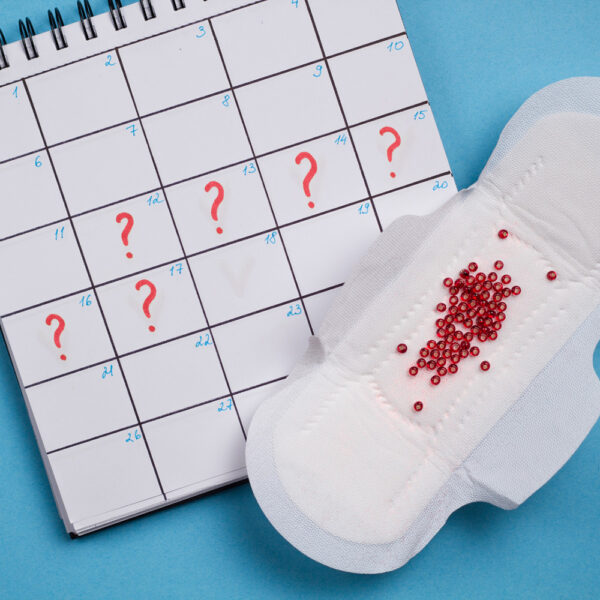
What Makes a Period Healthy?
Many women have never been told what a healthy menstrual cycle actually looks like.
Instead, they compare themselves to friends, family members, or what they've experienced for years.
Signs of a Healthy Cycle
- A cycle length between 21 and 35 days
- Predictable timing month to month
- Bleeding that lasts about 2 to 7 days
- Minimal disruption to daily life
- Mild symptoms that remain manageable
Every woman is different, but severe pain, extremely heavy bleeding, significant fatigue, or major mood changes deserve attention.
When Symptoms Deserve a Closer Look
Common does not always mean normal.
Pain that keeps you home from work, bleeding that requires frequent product changes, or exhaustion that lasts beyond your period may indicate underlying factors that need investigation.
Your symptoms are not random
They are information.
Healthy Foods for Periods That Support Hormone Balance
No single food creates a healthy cycle.
What matters most is a consistent pattern that provides the nutrients your body needs to support hormone production, blood sugar regulation, and healthy inflammation levels.
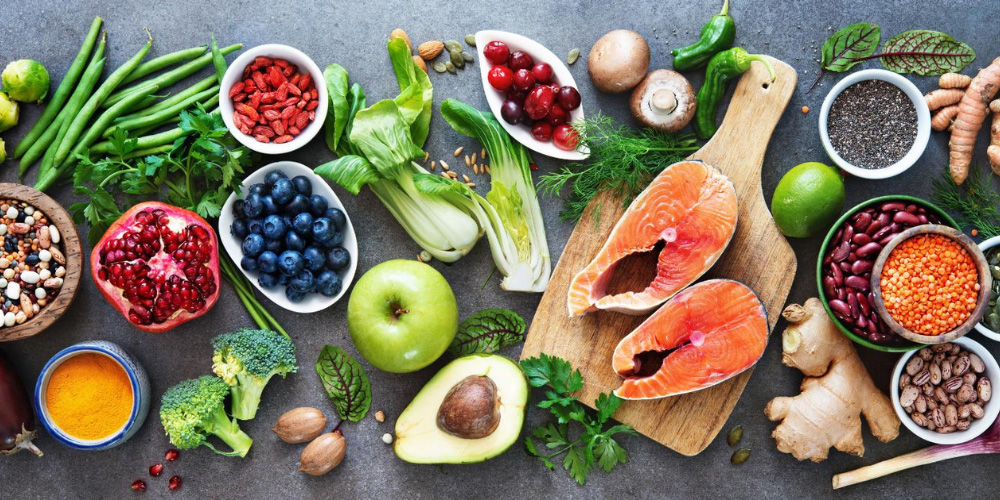
Omega-3 Rich Foods
Omega-3 fatty acids support a healthy inflammatory response.
Inflammation is a normal part of physiology, but excessive inflammation may contribute to period discomfort in some women.
Good sources include:
- Salmon
- Sardines
- Mackerel
- Chia seeds
- Flaxseeds
- Walnuts
The American Heart Association recommends eating fish, particularly fatty fish, at least twice per week as part of a healthy dietary pattern.
Magnesium-Rich Foods
Magnesium participates in hundreds of biochemical reactions throughout the body.
It plays a role in muscle function, nervous system regulation, blood sugar balance, and hormone health.
Foods rich in magnesium include:
- Pumpkin seeds
- Almonds
- Cashews
- Spinach
- Black beans
- Dark chocolate
Many women do not meet recommended magnesium intake levels through food alone.
Fiber-Rich Foods
Fiber is one of the most overlooked nutrients for hormone balance.
Fiber supports digestive health and helps the body eliminate hormones through the digestive tract.
Good sources include:
- Vegetables
- Berries
- Beans
- Lentils
- Chia seeds
- Flaxseeds
When I review food logs in practice, inadequate fiber intake is often one of the first patterns I notice.
Foods That May Worsen Period Symptoms
Food should not be viewed as good or bad. That said, some dietary patterns can make symptoms more difficult to manage.
Blood Sugar Swings
- Meals built primarily around refined carbohydrates can lead to significant blood sugar fluctuations.
- These fluctuations may contribute to cravings, irritability, fatigue, and energy crashes.
- Building meals around protein, fiber, and healthy fats often creates more stable energy throughout the cycle.
Highly Processed Foods and Inflammation
- Highly processed foods tend to be lower in nutrients and fiber.
- When they become the foundation of the diet, they can displace the foods that provide the nutrients needed for hormone health.
- The goal is not perfection. The goal is consistently choosing foods that support your body's needs.
A Root-Cause Perspective on Nutrition for Healthy Periods
Nutrition matters, but it is not always the entire answer.
I have worked with women who eat well and still experience severe PMS, heavy periods, fatigue, or irregular cycles.
In those cases, we often need to look deeper.
Blood sugar patterns, thyroid function, gut health, stress physiology, nutrient deficiencies, and hormone metabolism can all influence menstrual health.
Food creates the foundation, but symptoms often require a broader investigation.
This is why I believe in testing before guessing.
When you understand what is actually driving your symptoms, your nutrition plan becomes far more targeted and effective.
FAQ
What are the healthiest foods to eat during your period?
Iron-rich foods, protein-rich foods, omega-3 fats, magnesium-rich foods, and fiber-rich foods are among the most supportive foods for menstrual health because they help support energy, hormone balance, and nutrient replenishment.
Can certain foods reduce period cramps?
Foods rich in omega-3 fats and magnesium may help support a healthy inflammatory response and muscle function, which can contribute to greater comfort during menstruation.
What foods should I avoid during my period?
There is no universal list of foods to avoid, but highly processed foods and meals that cause significant blood sugar swings may contribute to fatigue, cravings, and mood changes in some women.
Does nutrition affect hormone balance?
Yes. Hormones rely on nutrients for production, metabolism, and elimination. Blood sugar regulation, nutrient status, and gut health all influence hormone function.
Can low iron cause period fatigue?
Low iron stores can contribute to fatigue, weakness, and reduced exercise tolerance, particularly in women with heavy menstrual bleeding.
Is it normal to have painful periods every month?
Mild discomfort can be common, but significant pain that disrupts daily activities deserves further evaluation to identify potential underlying causes.
Can healthy eating fix irregular periods?
Healthy eating can support hormone health, but irregular cycles may also be influenced by thyroid dysfunction, stress, nutrient deficiencies, insulin resistance, or other underlying factors.
When you're ready for clearer answers about what's contributing to your cycle symptoms and fatigue, book a Discovery Call and take the next step toward understanding what your body is communicating.

Dr. Erin Ellis, ND
Dr. Erin Ellis, ND, is the founder of Hope Natural Health and a licensed Naturopathic Doctor with more than nine years of clinical experience specializing in women's hormone health. After overcoming cancer, Dr. Ellis made it her life's mission to help women find the root cause of why they don't feel like themselves. She believes "normal" lab results are only the beginning of the conversation - not the end - and is known for taking a deeper, investigative approach to hormone, thyroid, gut, and metabolic health.