
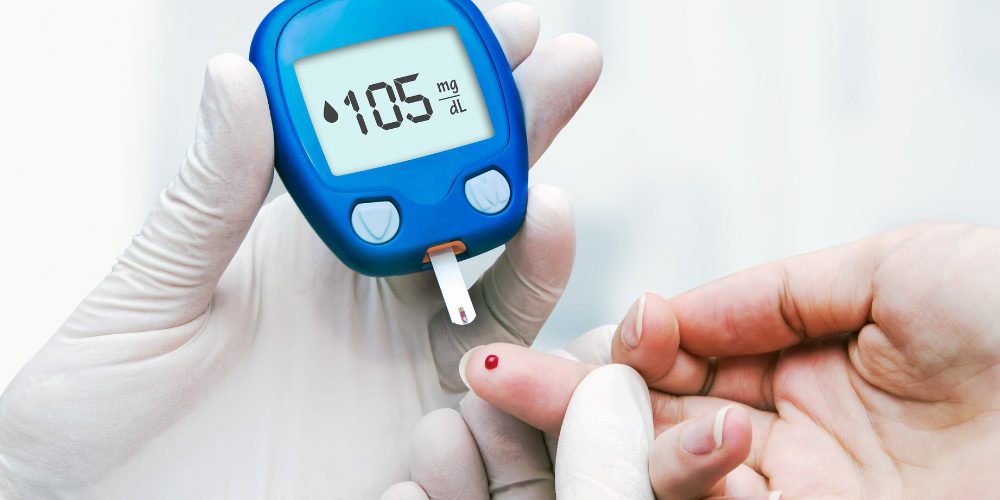
Many people assume diabetes management is only about checking blood sugar, but diabetes affects the entire body. Regular lab testing provides a more complete picture of your health and can help identify problems before symptoms develop.
Looking Beyond Blood Sugar
As a naturopathic doctor, I believe it is important to look beyond a single lab value. Blood sugar regulation is influenced by many factors, including nutrition, sleep quality, stress levels, physical activity, hormone balance, inflammation, and nutrient status.
When evaluating diabetes or prediabetes, I often look at the bigger picture to understand what may be contributing to blood sugar imbalances. Addressing the root cause can help support healthier blood sugar levels while improving energy, mood, and overall wellness.
Here are the key labs to monitor:
1. A1C
Reflects average blood sugar levels over 3 months.
2. Fasting Blood Glucose
Measures your baseline blood sugar.
3. Lipid Panel
Monitors cholesterol and triglycerides, which are often linked to diabetes.
4. C-Peptide
Assesses how much insulin your pancreas is producing.
Bonus:
Check for vitamin deficiencies like B12 and D, which can impact blood sugar regulation and overall energy levels.
How Often Should You Check Your Labs?
The frequency of testing depends on your health history, current blood sugar control, and overall risk factors. In general:
- A1C is often checked every 3-6 months.
- Fasting blood glucose may be monitored more frequently.
- Lipid panels are commonly reviewed annually or more often if cholesterol levels are elevated.
- Vitamin D, B12, and other nutrient markers may be checked periodically, especially if symptoms such as fatigue, numbness, or low energy are present.
Your healthcare provider can help determine the testing schedule that is most appropriate for your individual needs.
Understanding your labs empowers you to take control of your health. Let’s review your results and create a plan that works for you!
 Book a call to start optimizing your wellness today.

Dr. Erin Ellis, ND
Dr. Erin Ellis, ND, is the founder of Hope Natural Health and a licensed Naturopathic Doctor with more than nine years of clinical experience specializing in women's hormone health. After overcoming cancer, Dr. Ellis made it her life's mission to help women find the root cause of why they don't feel like themselves. She believes "normal" lab results are only the beginning of the conversation - not the end - and is known for taking a deeper, investigative approach to hormone, thyroid, gut, and metabolic health.