
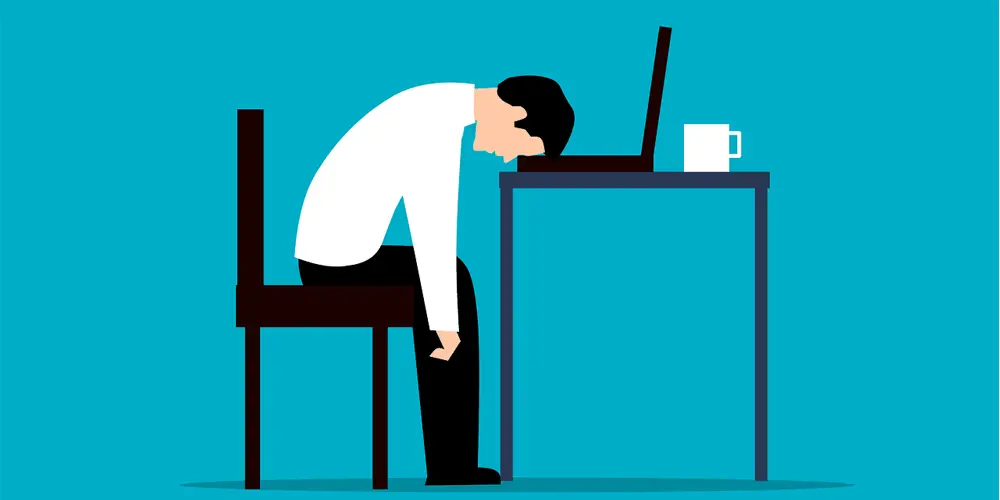
Stress is a silent killer that can wreak havoc on your physical and mental health.
While often viewed as a normal part of life, chronic stress can have a profound impact on your physical and mental health. Occasional stress is a natural response designed to help us navigate challenges, but ongoing stress can disrupt nearly every system in the body.
In our office, we have witnessed firsthand the detrimental effects of chronic stress on the body.
Consequences of Stress
Here are 10 harmful consequences of stress that you should be aware of:
1. Weakened Immune System
Stress hormones can suppress immune function, making it harder for your body to fight off infections. You may find yourself catching colds more frequently or taking longer to recover from illness.
2. Increased Risk Of Heart Disease and High Blood Pressure
Chronic stress can contribute to elevated blood pressure, inflammation, and changes in blood vessel function. Over time, these factors may increase the risk of cardiovascular disease.
3. Digestive Issues
The gut and brain are closely connected. Stress can contribute to symptoms such as bloating, indigestion, irritable bowel syndrome (IBS), acid reflux, and changes in bowel habits.
4. Anxiety, Depression, and Mood Changes
Stress can affect neurotransmitters and hormone balance, leading to increased feelings of anxiety, irritability, overwhelm, or depression.
5. Difficulty Concentrating and Memory Problems
Have you ever walked into a room and forgotten why you were there? Chronic stress can impact focus, concentration, and memory, often contributing to what many people describe as "brain fog."
6. Headaches and Migraines
Stress is one of the most common triggers for tension headaches and migraines. Tight muscles, inflammation, and nervous system overload can all play a role.
7. Muscle Tension and Chronic Pain
Many people carry stress in their shoulders, neck, jaw, or back. Over time, chronic muscle tension can contribute to pain, stiffness, and decreased mobility.
8. Sleep Disturbances and Insomnia
When stress hormones remain elevated, it can become difficult to fall asleep, stay asleep, or wake up feeling rested. Poor sleep often creates a cycle that further increases stress.
9. Hormonal Imbalances and Fertility Issues
Stress affects communication between the brain and hormone-producing glands. This can contribute to irregular menstrual cycles, worsening PMS symptoms, low energy, thyroid dysfunction, and fertility challenges.
10. Accelerated Aging and Skin Problems
Chronic stress increases inflammation and oxidative stress within the body. This may contribute to premature aging, acne breakouts, eczema flare-ups, and other skin concerns.
Stress Management
Many people assume stress only affects their mood, but the reality is that stress influences nearly every aspect of health. When stress becomes chronic, the body remains in a constant state of "fight or flight," making it difficult to rest, repair, and heal.
Learning to manage stress is not a luxury - it's an essential part of protecting your long-term health.
The good news is that there are many natural ways to manage stress.
- Regular exercise
- Mindfulness practices
- Balanced diet
- Prioritized sleep
- Making time for yourself
By prioritizing stress management, you can protect your body from these harmful effects and cultivate a greater sense of overall well-being.
Take Control of Your Stress
Stress may be unavoidable, but chronic stress does not have to control your health. By recognizing the signs and implementing healthy coping strategies, you can support your mind, body, and overall well-being.
If you're experiencing symptoms that may be related to chronic stress, schedule an appointment to discuss personalized strategies for restoring balance and optimizing your health.